Start with one clear composition
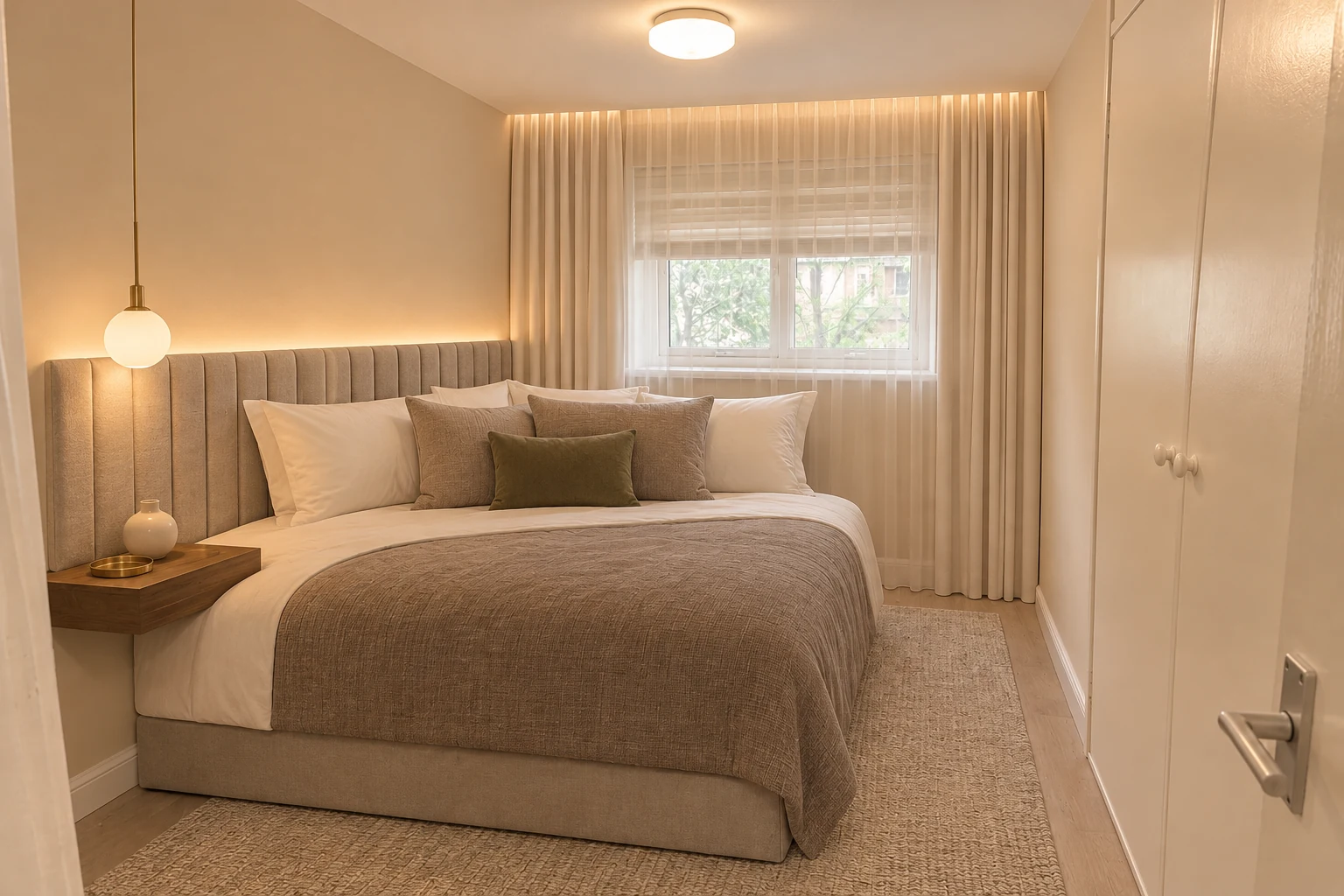
A hotel-like bedroom is not defined by size or an abundance of decoration. It feels composed because the eye meets a deliberate sequence of large, calm surfaces. This concept assumes a compact 2.8-by-3.4-meter rectangle, with the bed running along the west wall and one usable passage on its right. The window, doorway and shallow built-in wardrobe remain exactly where they are. Instead of scattering small decorative objects around the room, the redesign treats the headboard, bed and curtains as one visual arrangement. Keeping their colors closely related allows several functional elements to read as a single, uncluttered volume.
Turn the bed wall into a tailored frame
Two conventional bedside tables would constrict the already narrow passage, so the proposal uses a slim wall-mounted ledge and an upholstered headboard. Subtle vertical channels draw the eye upward, while the headboard extends slightly beyond the mattress to establish a confident center. The ledge only needs enough depth for a phone, a glass and perhaps one ceramic object. Upholstery adds softness and acoustic comfort, but it must be practical. Removable covers, performance fabric or a wipeable wall panel with a woven appearance are sensible alternatives where dust, allergies or frequent cleaning are concerns.
Build depth with a restrained palette
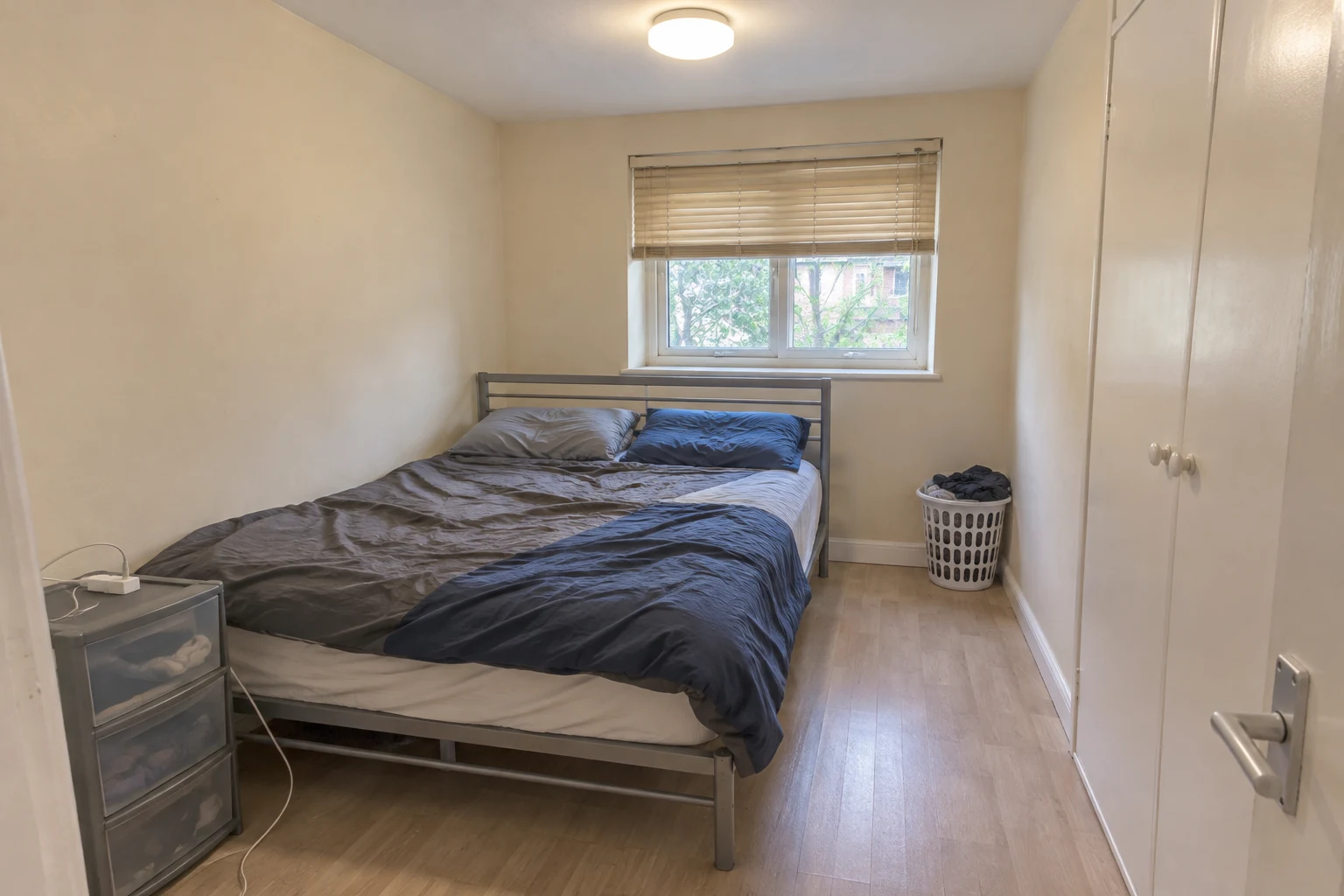
The existing warm white walls and pale laminate floor are retained, avoiding unnecessary finish changes. Ivory, warm greige and taupe cover the largest areas, walnut appears only on the floating ledge, and muted brass is limited to a tray or small lighting detail. One desaturated olive cushion introduces contrast without making the bed visually busy. For a brighter variation, white oak can replace walnut. For a sharper urban version, dark bronze can replace brass. Whichever direction is chosen, repeating one timber tone and one metal finish will make the compact room feel more intentional.
Use textiles to alter perceived scale
The hotel effect comes less from a large pile of cushions than from crisp edges and controlled layers. Ivory sheets and a duvet form the base, a taupe coverlet is folded across the lower third, and two structured cushions sit behind the sleeping pillows. At the window, the opening itself is not enlarged. Instead, the curtain track is positioned close to the ceiling and extends beyond the frame, emphasizing height and allowing fabric to stack away from the glass. A sheer inner layer softens daylight, while an outer blackout layer supports privacy and sleep. Check that curtains do not obstruct heaters, ventilation grilles or operable window hardware.
Layer light without consuming floor area
A single ceiling fixture can leave corners dull and make the bed wall look flat. This scheme retains general ceiling light but adds a soft wall wash above the headboard, a compact opal-glass pendant in place of a table lamp and concealed light near the curtain track. Warm light around 2700K supports an evening atmosphere, while separate controls make it possible to use only the layer needed for reading, dressing or winding down. Before installation, a qualified professional should verify electrical capacity, switching, cable routes, glare and the pendant's clearance from heads and bedding.
Protect circulation and useful storage
A polished room will quickly lose its appeal if daily routines become awkward. Under-bed storage is best reserved for seasonal bedding or infrequently used items, while everyday clothes can be divided vertically inside the existing wardrobe using shallow baskets and shelf inserts. Measure the right-side passage, the wardrobe door swing and the working space needed to change the bedding. If a robot vacuum or suitcase must fit below the bed, confirm the clear internal height rather than relying on the frame's advertised external dimension. Any rug should be thin, stable and positioned where it cannot catch a door or storage drawer.
Consider 2027 ideas as proposals, not predictions
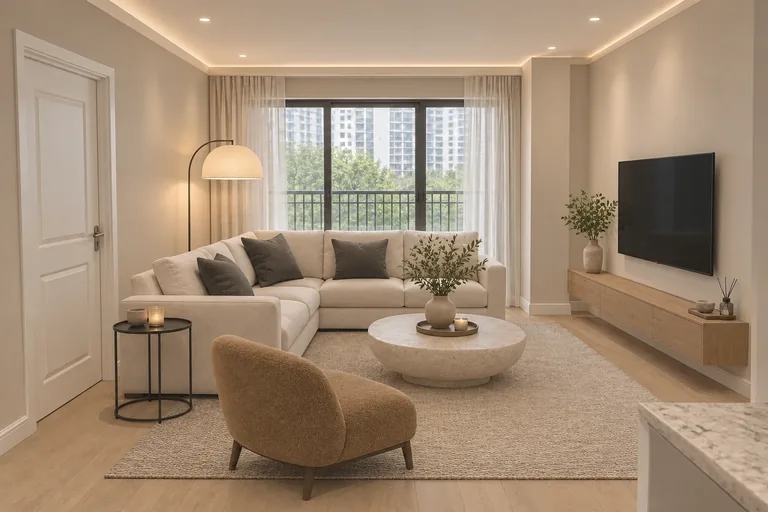
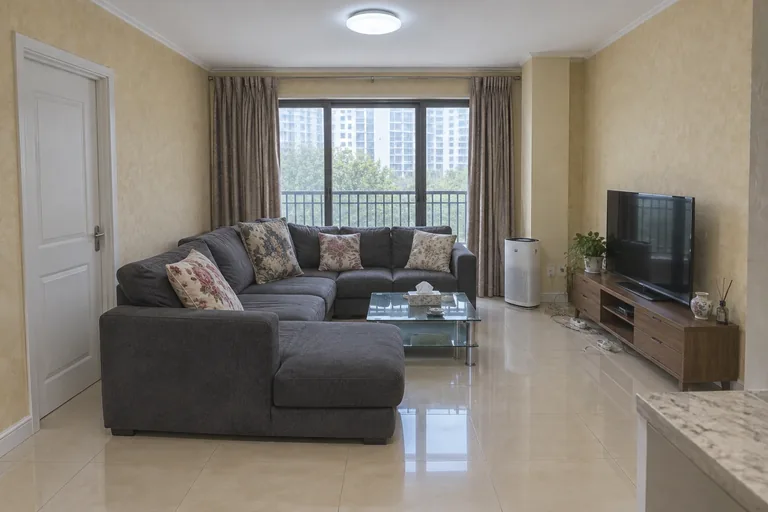
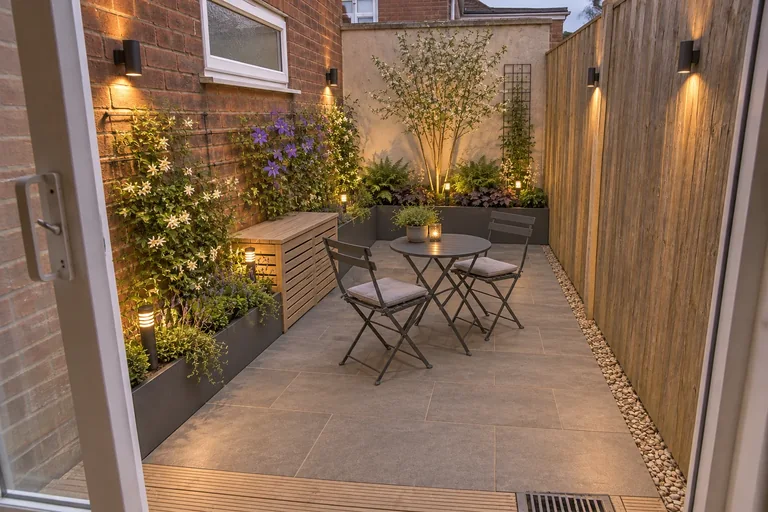
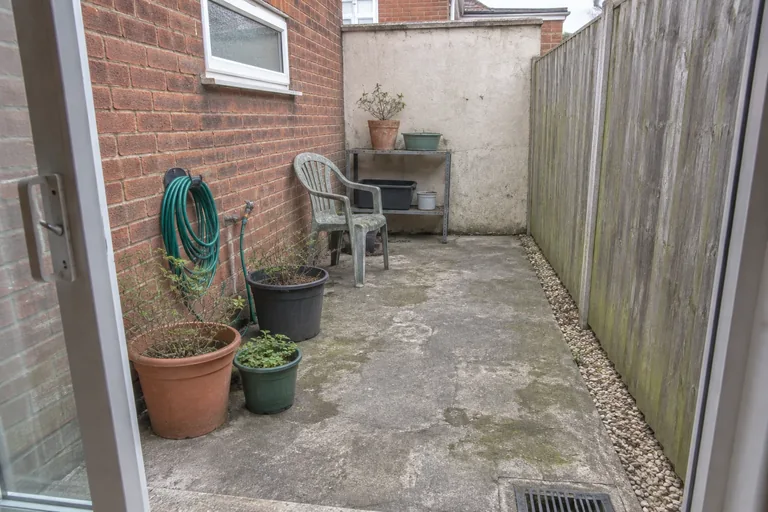
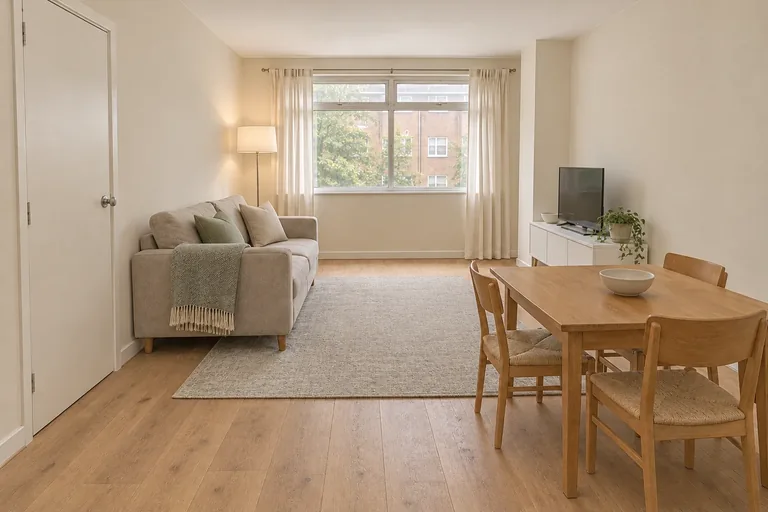
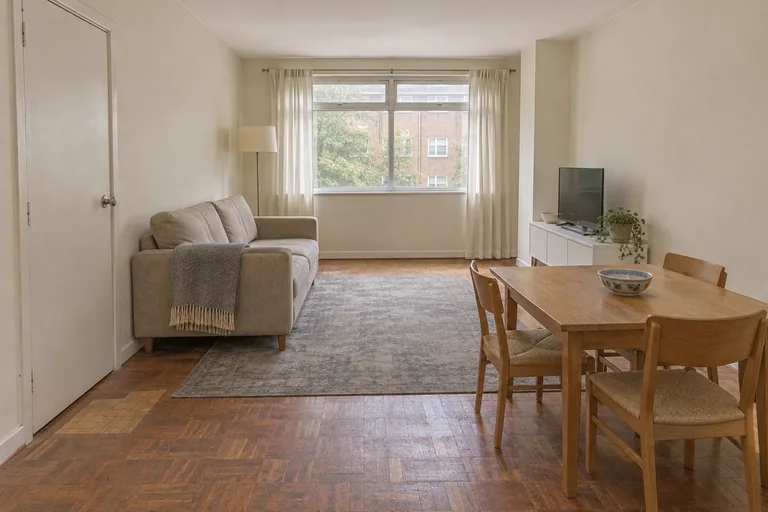
For a 2027-oriented update, this concept proposes quieter forms of comfort: acoustically soft textiles, individually dimmable light layers and replaceable covers that can extend the useful life of upholstered pieces. These are design suggestions rather than factual forecasts of what every hotel or home will adopt. The before-and-after images are AI simulations created for inspiration, not photographs of a completed client project. Color, scale and light can differ on site and on different screens. Custom headboards, curtain lengths, electrical work, ventilation and safe clearances therefore require professional measurement, material samples and review of the actual room.
FAQ
Can a large headboard work in a very small bedroom?
Yes, provided it is shallow and wall-mounted rather than bulky and floor-standing. It can extend slightly beyond the mattress, but switches, window trim, wardrobe doors and the usable passage must be measured first.
Does hotel-style bedding have to be pure white?
No. Ivory or pale greige can provide the same calm base and may feel softer in warm light. Add only one or two low-saturation accents, such as taupe and muted olive, to preserve the ordered appearance.
What can replace built-in indirect lighting?
Plug-in wall lamps, a slim pendant or a dimmable LED source concealed behind furniture can create a similar hierarchy. Keep cables away from the walkway and check product heat, mounting and electrical safety.
Can the AI image be copied exactly during renovation?
It should be treated as a visual concept, not a construction drawing. Actual dimensions, daylight, product sizes and site conditions will alter the result, so professional measurement and physical material samples are essential.